
CASE STUDY:
Unlocking Operational Blindspots: Resolving Critical Spatial Compliance Risks in a Complex Environment
SECTOR:
PROJECT DURATION:
LOCATION:
ENERGY
4 MONTHS
QUEENSLAND, AUSTRALIA
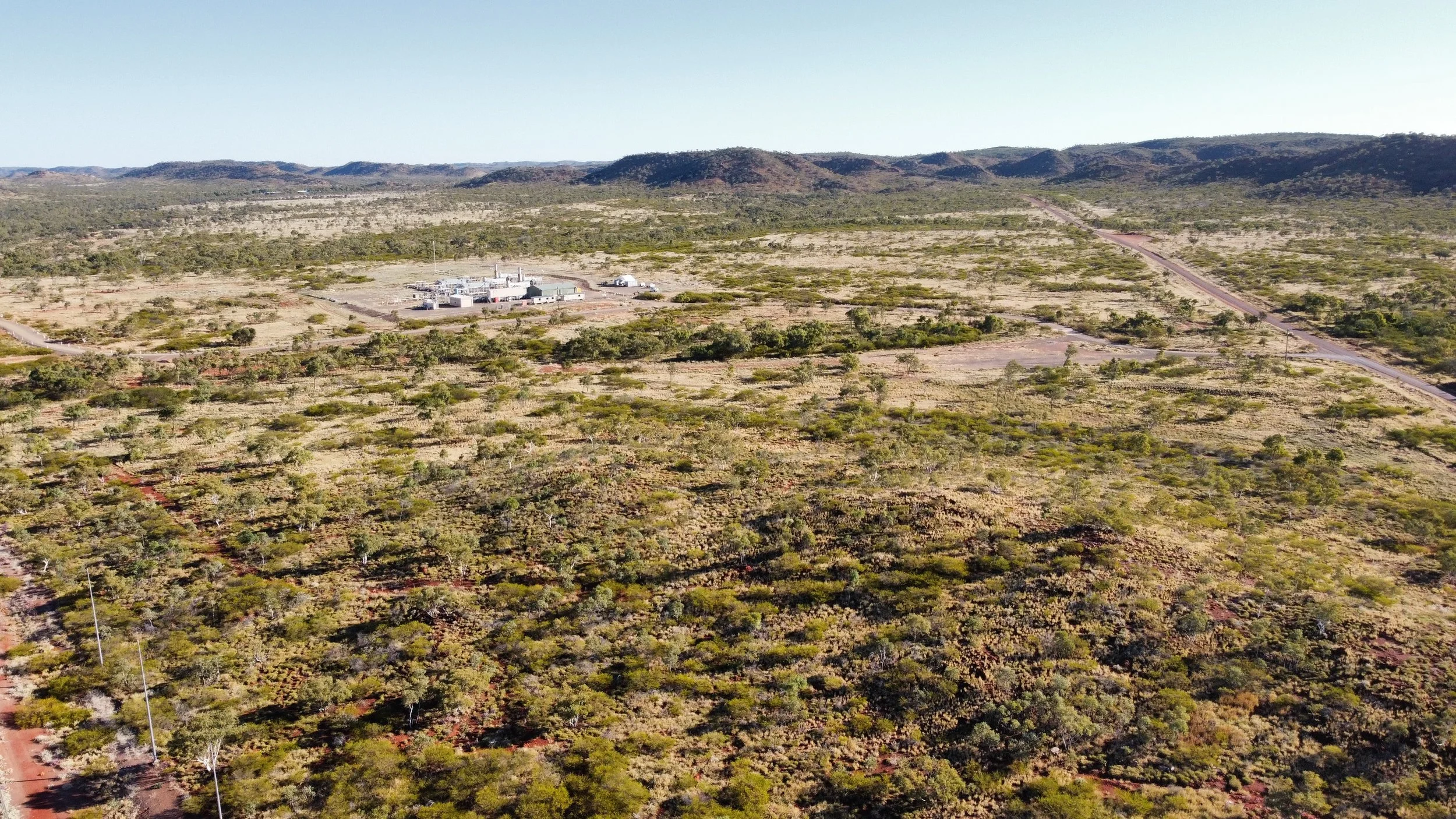
Pacific Systems was engaged to deliver a comprehensive Site Development Plan across a distributed network of critical infrastructure assets in regional Queensland. While evaluating short-term operational readiness and capacity constraints, our team looked beyond the initial planning brief to uncover an unmapped land lease infringement. Addressing this specific compliance finding contributed to a broader strategic objective: ensuring long-term regulatory compliance, robust safety standards, and operational resilience across the region's energy generation network.
Understanding the Environment
The operational footprint spans a complex multi-site energy generation network in remote Queensland, serving as a critical hub for regional power supply. The governance framework is shaped by intricate sub-sub lease agreements, intersecting commercial boundaries, and regulatory policies managed by local and state authorities. Operationally, the primary facility supports over 50 internal personnel and up to 200 contractors during peak maintenance and shutdown events. This creates high-density coordination challenges within a hazardous, high-voltage production environment. Compounding these constraints are physical interdependencies, including proximity to third-party energy infrastructure, adjacent gas transmission lines, and strict buffer zones defined by primary historical leases.
The Challenge
During the baseline assessment, Pacific Systems identified that contractor project offices had inadvertently encroached upon a restricted buffer zone belonging to an adjacent energy utility. This unmapped lease infringement represented a severe legal, compliance, and safety risk. If left unresolved, the unauthorized structures threatened to compromise emergency isolation points and restrict access corridors during an incident. The potential consequences included significant regulatory penalties, lease forfeiture, heightened liability exposure, and a severe degradation of emergency response efficiency within critical operational zones.
Our Approach
Pacific Systems deployed a systems-thinking approach rooted in root-cause analysis and comprehensive risk assessment. We initiated a rigorous evidentiary review, cross-referencing decades of historical lease documentation, survey data, and state infrastructure registries to verify the exact legal parameters of the restricted zone. Concurrently, we engaged directly with facility operators, project sponsors, and engineering leads through site-planning workshops to understand workforce productivity requirements.
To eliminate the safety risk without triggering operational downtime, we designed a dual-hub operational model that decoupled contractor workspaces from the restricted zone. Our team developed a phased capability roadmap that temporarily relocated essential personnel while establishing two permanent, strategically balanced administration and training hubs. This design optimisation balanced spatial constraints against human-centric workplace standards, providing flexible mixed-use overflow areas capable of accommodating up to 60 shutdown contractors simultaneously across two distinct physical sites.
Outcomes and Impact
The implementation of the dual-hub model successfully resolved the lease infringement and fully reinstated the legal integrity of the restricted buffer zone. By reallocating contractor work points across a coordinated dual-site framework, Pacific Systems eliminated the legal and safety compliance risks while maintaining absolute workforce productivity during critical maintenance windows. Executive decision makers gained enhanced operational visibility and a clear capital investment program spanning a multi-year horizon. Most notably, the intervention dramatically strengthened institutional governance, improved executive decision-making, and enhanced situational awareness regarding property risks, significantly reducing long-term liability exposure across the client’s regional portfolio.
FOCUS: CRITICAL INFRASTRUCTURE ASSET MASTER PLANNING, REGULATORY COMPLIANCE AND RISK MITIGATION, SYSTEMS THINKING AND OPERATIONAL MODELLING, COMMERCIAL CONTRACT AND LEASE ANALYSIS, CROSS FUNCTIONAL STAKEHOLDER ENGAGEMENT, STRATEGIC WORKFORCE INFRASTRUCTURE DESIGN, SAFETY AND EMERGENCY RESPONSE OPTIMISATION