
CASE STUDY:
Elevating Readiness: Leveraging CASA Frameworks to Audit Legacy Aviation Infrastructure
INFRASTRUCTURE
4 MONTHS
NEW SOUTH WALES, AUSTRALIA
SECTOR:
PROJECT DURATION:
LOCATION:
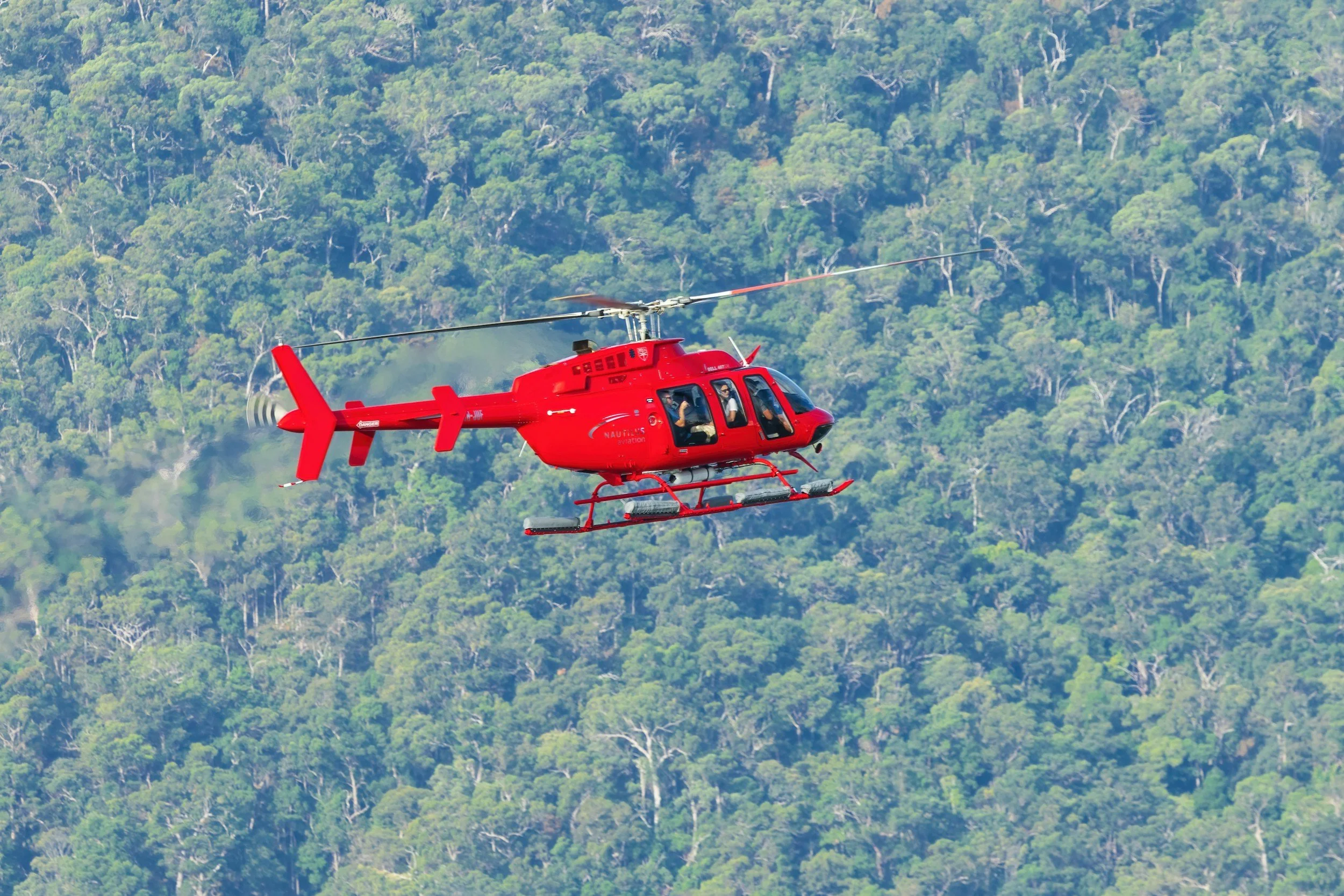
Pacific Systems was engaged by a critical infrastructure provider to conduct an exploratory operational readiness review at a vital regional facility in New South Wales, Australia. The broader objective was to ensure the site’s long-term operational continuity. Within this scope, we uncovered severe, unmitigated compliance and safety failures at the facility's helicopter landing area. Addressing this critical aviation liability became an immediate priority, safeguarding emergency response capabilities and protecting the client from significant regulatory exposure.
Understanding the Environment
The regional facility operates within a high-stakes, highly regulated infrastructure environment where aviation access is critical for emergency response, medical evacuations, and urgent technical deployments. The helicopter landing area functions as an operational node, meaning any disruption to its availability compromises regional safety resilience. Governance of this asset involves strict compliance with Civil Aviation Safety Authority (CASA) regulations and National Airports Safeguarding Framework (NASF) guidelines. Operationally, the site must accommodate transient aviation contractors, emergency services, and internal personnel. This creates complex interdependencies between corporate asset management, local facility operators, and external aviation stakeholders, all within an environment where operational downtime during upgrades is not an option.
The Challenge
The operational readiness review revealed that the helicopter landing area suffered from critical compliance and physical safety deficiencies. The lighting networks across both the Touchdown and Lift-off (TLOF) area and the Final Approach and Take-off (FATO) area were entirely non-operational, preventing safe night operations. Furthermore, a nearby communications tower created undocumented obstacle hazards within the flight path, and aviation fuel was managed via non-compliant, manual handling processes. If left unresolved, these liabilities posed severe risks, including catastrophic operational accidents, a total grounding of emergency aviation services by regulators, and immense legal and financial exposure for the parent organisation.
Our Approach
Pacific Systems deployed a multi-disciplinary approach grounded in regulatory analysis, risk assessment, and systems thinking.
Our team executed the resolution across four distinct stages:
Evidence Gathering and Technical Review: We conducted exhaustive physical inspections of the aviation infrastructure and cross-referenced the layout against current CASA MOS 139 standards and NASF guidelines to precisely quantify the compliance gaps.
Root Cause and Risk Analysis: We performed a comprehensive risk assessment to model the impact of the communications tower's penetration into the obstacle limitation surfaces and evaluated the systemic safety risks of the manual fuelling practices.
Stakeholder Facilitation: Our team led alignment workshops connecting corporate risk officers, site facility managers, and technical experts to build consensus on the severity of the flight-path hazards.
Solution Design: Pacific Systems designed a phased refurbishment and safeguarding program. This strategic roadmap scheduled infrastructure remediation, lighting overhauls across the TLOF and FATO zones, and the introduction of compliant fuelling systems in distinct increments, ensuring the helipad remained available for emergency services throughout the execution phase.
Outcomes and Impact
By identifying and resolving these hidden aviation liabilities, Pacific Systems delivered meaningful improvements to the client's risk posture and operational capability. The immediate threat of aviation accidents or regulatory closure was mitigated through a structured, compliance-aligned remediation pathway, which ultimately reduced overall risk exposure. Furthermore, the refurbishment program would directly increase operational readiness by ensuring the facility can safely support 24-hour emergency response and medical evacuation flights. This strategic intervention drove stronger governance, bringing the client's asset management framework into direct compliance with strict CASA and NASF standards and eliminating a major corporate liability. Finally, the engagement provided better executive visibility, giving leadership clear, data-backed oversight of regional aviation infrastructure risks to support more informed capital allocation decisions.
FOCUS: REGULATORY COMPLIANCE ANALYSIS, CASA AND NASF STANDARDS, AVIATION INFRASTRUCTURE RISK ASSESSMENT, SYSTEMS THINKING AND OPERATIONAL INTEGRATION, CROSS FUNCTIONAL STAKEHOLDER FACILITATION, STRATEGIC INFRASTRUCTURE PLANNING AND CAPITAL PROGRAMMING, ASSET SAFEGUARDING AND REMEDIATION DESIGN