
CASE STUDY:
Clearing the Path: Discovering and Remedying Systemic Bottlenecks in Emergency Response Networks
SECTOR:
PROJECT DURATION:
LOCATION:
ENERGY
4 MONTHS
QUEENSLAND, AUSTRALIA
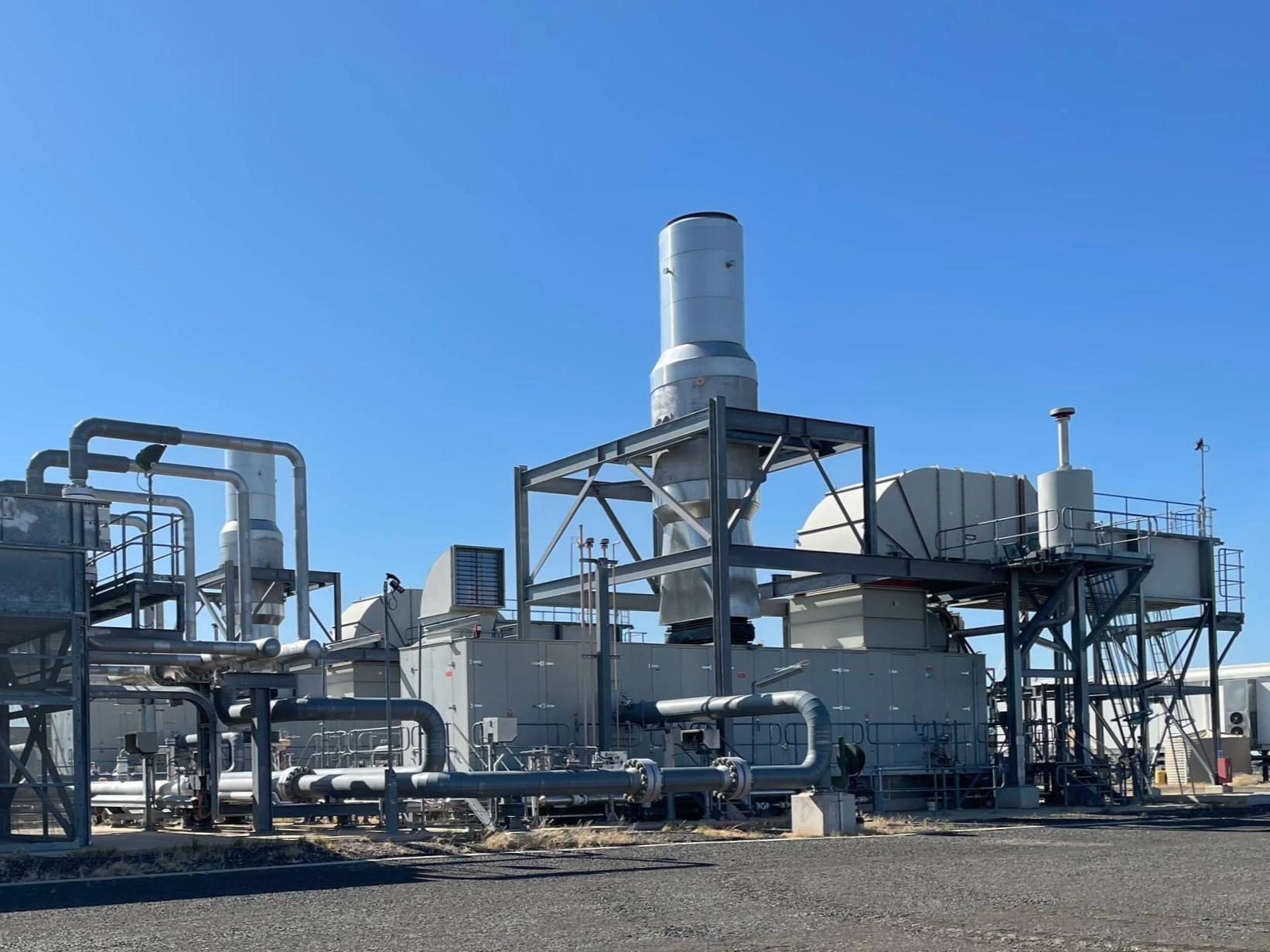
Pacific Systems was engaged to deliver a comprehensive spatial risk and operational capacity review for a major critical infrastructure asset in regional Queensland. While analysing short-term contractor accommodation constraints, our team identified a critical bottleneck where organic site growth had progressively compromised primary emergency transit corridors. Resolving this access constraint contributed to a broader organisational objective: safeguarding personnel, ensuring rapid incident response capability, and preserving long-term operational resilience across a high-hazard asset network.
Understanding the Environment
The operational footprint involves a complex, multi-user energy generation facility subject to strict state safety regulations and industrial compliance codes. Governance of the site is shared across multiple internal divisions, external logistics providers, and primary asset owners, each managing distinct commercial and operational priorities. Operationally, the asset accommodates a steady-state workforce of over 50 internal staff, which swells by up to 200 personnel during high-density maintenance shutdowns. This creates intensive vehicle and pedestrian congestion within a highly constrained physical footprint. Policy considerations dictate that emergency vehicle access must remain completely unobstructed at all times, establishing a critical operational interdependency between daily logistics activities and emergency services readiness.
The Challenge
Uncontrolled spatial growth and competing logistics demands had gradually choked out vital emergency transit corridors across the asset. Over time, temporary contractor structures, laydown yards, and heavy machinery parking had encroached onto primary access ways. If left unresolved, this bottleneck presented severe safety risks, including deployment delays for first responders during a major incident. Blocked corridors also compromised critical isolation points, exposing the operator to severe regulatory penalties, heightened liability, and potential site-wide operational shutdowns due to non-compliance with statutory safety requirements.
Our Approach
Pacific Systems applied a rigorous systems-thinking methodology to conduct a comprehensive root-cause analysis of the site's layout and traffic flows. We began by gathering historical site data, vehicle transit logs, and emergency deployment plans to map the physical conflicts between operational logistics and emergency routes. Our team facilitated a series of cross-functional alignment workshops with site managers, logistics supervisors, and safety engineers to understand the spatial requirements of concurrent maintenance activities.
To eliminate the bottleneck without triggering costly site downtime, we designed a robust, data-driven spatial management framework. This framework introduced a distinct, colour-coded spatial hierarchy tailored to high-density industrial environments. We designated and permanently cleared essential emergency channels as "Red Routes," which were strictly insulated from any operational footprint. Concurrently, we segregated daily industrial traffic, loading zones, and contractor parking into dedicated "Amber Routes." This systemic separation decoupled high-risk logistics from emergency response paths, balancing spatial constraints against human-centric workplace safety standards while preserving full operational continuity throughout the transition.
Outcomes and Impact
The implementation of the colour-coded spatial hierarchy completely resolved the traffic bottleneck and restored the safety integrity of the asset's emergency corridors. By permanently establishing "Red Routes," the client achieved absolute clarity for first responder transit paths, significantly reducing potential emergency deployment times. The separation of logistics into "Amber Routes" reduced risk exposure and minimised pedestrian-vehicle conflict zones without disrupting ongoing maintenance schedules. This intervention delivered superior executive visibility over site capacity, improved long-term capability planning, and strengthened institutional governance, providing operational leaders with a repeatable framework for managing spatial risk during peak shutdown periods.
FOCUS: INDUSTRIAL SPACIAL ANALYSIS AND SITE LAYOUT PLANNING, EMERGENCY RESPONSE AND TRANSIT OPTIMISATION, SYSTEMS THINKING AND OPERATIONAL RISK MODELLING, CROSS FUNCTIONAL STAKEHOLDER ALIGNMENT, ROOT-CAUSE CONSTRAINT ANALYSIS, INFRASTRUCTURE GOVERNANCE AND POLICY COMPLIANCE, TECHNICAL DESIGN FRAMEWORK DEVELOPMENT