
CASE STUDY:
Environmental Compliance Governance & Fire Network Modernisation
Statutory Land Notification & Industrial Fire Suppression Upgrades
ENERGY STORAGE & ENVIRONMENTAL REMEDIATION
SECTOR:
VICTORIA, AUSTRALIA
LOCATION:
Understanding the Environment
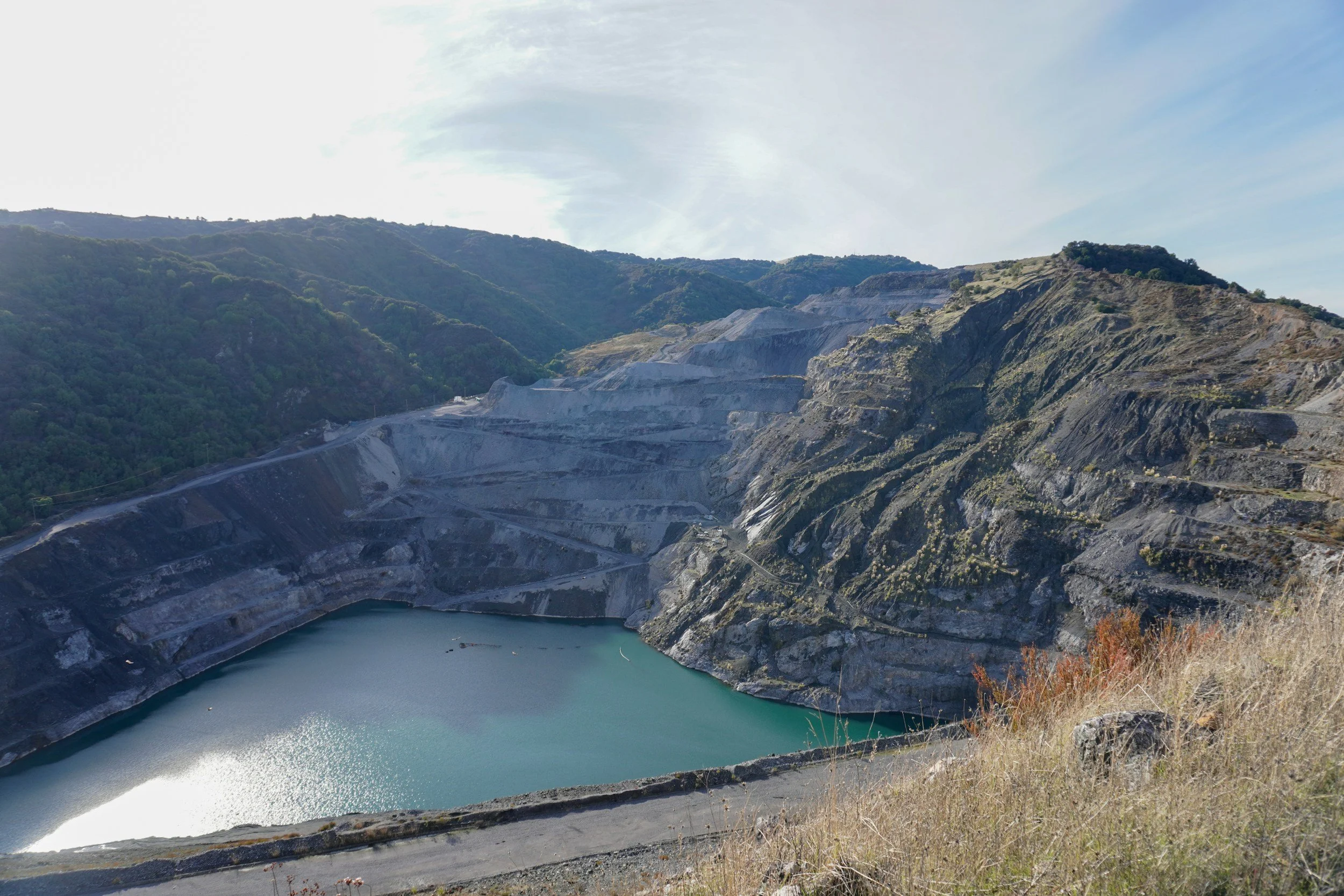
Pacific Systems was engaged to develop a comprehensive Site Development Plan for a critical energy storage and distribution facility in Victoria, Australia. The facility operates within a highly complex industrial and regulatory ecosystem, managing energy storage and distribution for a major metropolitan network. The environment involves multiple internal operations teams, external contractors, and third-party commercial tenants whose activities are heavily interdependent. From a governance and policy perspective, the site is subject to strict environmental oversight by state regulators, including the Environment Protection Authority. Decades of legacy operations created significant structural and data challenges. Specifically, the exact configurations of the underground utility and hydrant networks were undocumented, and the site's primary open fire reservoir had accumulated material over years of biological maintenance, intersecting complex land management responsibilities with acute operational safety mandates. A cornerstone of this engagement was addressing the severe operational and regulatory risks associated with the facility's legacy firefighting infrastructure and historical hazardous material accumulation. Resolving these intertwined issues was essential to safeguarding personnel, ensuring regulatory compliance, and protecting the broader energy network's operational resilience.
The Challenge
The dual challenge centred on operational safety and environmental compliance. Annual testing of the primary firefighting water reservoir revealed unsafe bacterial levels, rendering the system unfit for purpose and threatening emergency readiness. Compounding this, historical maintenance utilised copper sulphate to control algae in the reservoir, resulting in dried, potentially hazardous silt being pumped into an unmanaged containment area on site. This contamination had not been formally reported to environmental authorities. Left unresolved, the facility faced catastrophic risks, including inadequate fire suppression capabilities during emergencies, severe regulatory penalties, and potential environmental liability.
Our Approach
Pacific Systems applied robust systems thinking and a rigorous analytical framework to investigate the root causes of these vulnerabilities. The team conducted detailed site assessments, stakeholder interviews, and technical reviews of the legacy infrastructure. Recognising the data gaps regarding the underground network, the approach prioritised a comprehensive site survey to map the unknown hydrant piping and service lines.
For the environmental risk, Pacific Systems performed a detailed risk assessment of the contaminated soil containment area. The team developed a structured compliance strategy, designing a formal Contaminated Land Notification Process to align the operator with the Environment Protection Act. Pacific Systems then formulated a phased, multi-year remediation plan. This plan detailed the decommissioning of the legacy open reservoir and designed a fit-for-purpose, modern tank-based firefighting water network. By grouping these overlapping challenges into targeted operational work streams, Pacific Systems provided a clear, evidence-based roadmap that balanced immediate safety requirements with long-term capital investment planning.
Outcomes and Impact
The strategic intervention delivered immediate executive visibility and a clear path toward risk reduction. By defining the precise scope of the firefighting infrastructure deficit and the hazardous waste liability, the operator achieved total alignment across operational leads and corporate governance teams.
The implementation of the tank-based storage system design significantly increases operational readiness and fire safety resilience. Furthermore, the formalised regulatory reporting framework systematically reduces the operator's legal and environmental exposure. Ultimately, this targeted approach improved executive decision-making, ensuring that capital allocation over the short and mid-term horizons directly mitigates the facility's highest-priority safety and compliance vulnerabilities while securing its ongoing role in the regional energy network.
FOCUS: INFRASTRUCTURE RISK ASSESSMENT, REGULATORY COMPLIANCE FRAMEWORK DESIGN, SYSTEMS THINKING, DATA RECTIFICATION AND SITE MAPPING, STRATEGIC CAPITAL PRIORITISATION, STAKEHOLDER ALIGNMENT